Ergonomic Education for Healthier, More Productive Workplaces
For more than 25 years, Active Ergonomics® has helped organizations understand and apply the principles that keep employees healthy, focused, and performing at their best.
Through data-backed education informed by over 8,000 professional ergonomic assessments, we provide practical knowledge that empowers teams across office, lab, and healthcare environments.
Your Central Hub for Ergonomic Learning
Ergonomics is most effective when employees and leaders understand how posture, movement, equipment, and habits work together.
Our education center brings together foundational concepts and specialized guidance to help organizations reduce discomfort, prevent injuries, and support long-term employee well-being.
Ergo Putty
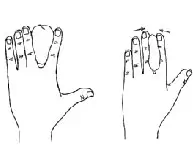
Learn targeted hand and wrist exercises that support fine-motor endurance, reduce fatigue, and improve circulation. Ideal for teams who perform repetitive or precision-based tasks every day.
Retrofitting
See how ergonomic solutions can be implemented using your organization’s existing equipment. Retrofitting techniques help reduce strain, improve alignment, and support employee comfort — without buying new furniture.
Stretching
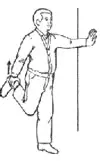
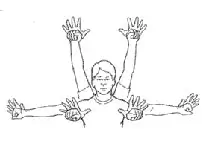
Introduce micro-breaks and movement routines that support musculoskeletal health. These stretches are easy to incorporate into the workday and help reduce fatigue, stiffness, and repetitive strain.
Other Ergo
Explore ergonomic guidance for unique work environments, including hybrid work, field roles, shared spaces, and non-traditional setups. Learn adaptable principles that help employees maintain comfort wherever work happens.
Lab Ergo
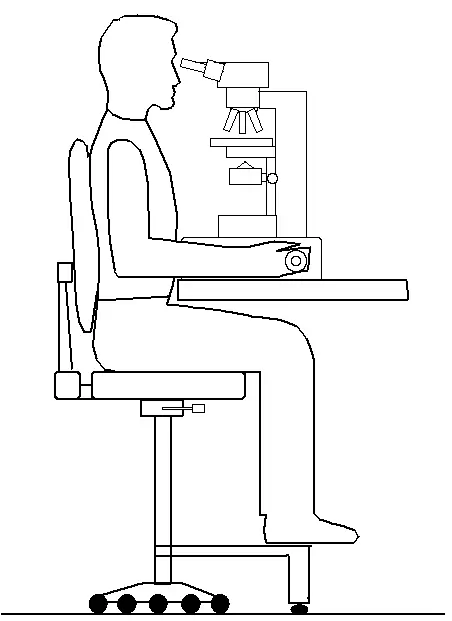
Discover ergonomic principles specific to laboratory environments. From pipetting to microscopy, learn how posture, positioning, and task rotation can improve comfort and accuracy during repetitive lab work.
Office Ergo
Understand how to promote healthier posture, reduce strain, and support employee comfort during computer-based work. These resources guide teams through practical adjustments to seating, monitor height, and input device placement — without needing to replace existing furniture.
How to adjust your Chair and Keyboard
In this video, you’ll learn how to position your chair, align your keyboard, and maintain a neutral posture that supports your body throughout the workday. When your feet are flat on the floor, your back is supported, and your wrists stay aligned with your forearms, you reduce strain on your neck, shoulders, and hands.